Forés @ UVPress


         Universitat de València PRESS -UVPress- weblog for research uses

April 18, 2012

05 The Man Who Knows Everything

Filed under: economía,future,política,tecnología — fores @ 4:04 am


Esquire

http://www.esquire.com/features/vivek-ranadive-profile-0212

The Man Who Knows Everything

Vivek Ranadivé wants to harness the ocean of data in this world. And save civilization.

By Ryan D’Agostino

vivek ranadive

Jake Stangel

Published in the February 2012 issue

A single cloud hangs in the sky over San Francisco Bay, like a rip in a blue curtain. Vivek Ranadivé, the CEO of a $4 billion software company, Tibco Software Inc. — and also the co-owner of the Golden State Warriors in the NBA — drives his black Mercedes S600 over the low bridge from Palo Alto to Oakland. And because the sky is unmarked except for that one spectacular little cloud and the morning fog is gone until tomorrow, it is as if he’s gliding across a huge blue screen. The scene looks choreographed: the Silicon Valley visionary driving to an important meeting on a perfect day, talking about ideas as big as the heavens.

“Everything’s real-time,” he says in a raspy voice with a thick, singsong accent, emphasizing certain vowels unexpectedly, so he sounds a little like an Indian Christopher Walken. “Everything’s event-driven. It’s all about the data.” He looks out over the bay, waves his hand over the wheel, and says that if you take all the data that was generated from the dawn of man to, say, the day Barack Obama became president, that’s x. And then if you add up all the data that’s been generated since then, in just three years, that’s 10x. We are drowning in data.

Ranadivé, born fifty-four years ago in Bombay, takes this simple fact as a challenge. He has built his company and become wealthy on the idea that we can master that deluge of data and use it to make the world a better place. That’s why he keeps talking about this new thing he developed called TopCom, Tibco’s latest pride and joy.

It is a private communications platform for the two hundred most powerful people in the world.

TopCom is being officially launched in late January at the annual meeting of the World Economic Forum in Davos, Switzerland. It is basically a customized, ridiculously secure version of tibbr, a platform developed by Tibco as a kind of combination Facebook, Twitter, e-mail, texting, and Skype. It is a private social network, essentially — in this case, for world leaders.

With tibbr, in addition to following people, you choose and follow subjects — issues, crises, topics of discussion, upcoming events. You don’t have to remember which people you’re supposed to include on an e-mail about a subject, because they’re all following it. You just post your message and the right people see it. You can talk one-to-one or to everyone who’s following the subject. When you use tibbr, you get the feeling it’s one of those innovations that five years from now we’re all going to think we’ve used forever.

Ranadivé’s company created the TopCom version specifically for the World Economic Forum, the organization founded in 1971 by the German economist Klaus Schwab, which gathers together the world’s business, intellectual, and political leaders to discuss common issues. Because the organization has a hierarchy, so does TopCom: The top two hundred WEF members — basically, the people who run the world — can speak to one another on a given subject, and then they can choose to loop in members from lower tiers (experts, academics, etc.) as needed, widening the pool of knowledge on whatever problem is on the table.

It is, Schwab says, a “Facebook for global leaders.” For example, Japanese prime minister Yoshihiko Noda can post a video of himself — viewable only by the top two hundred — asking for help because a major earthquake has caused a tsunami that’s approaching his country. Minutes later, Schwab would see the message and call for an immediate videoconference among the appropriate world leaders to get Japan aid in the quickest way. CEOs of companies that have facilities near the impact site — there’s a Nissan plant close by, for example — could join forces for evacuation and figure out how to address interruptions to their supply chains.

The alert could then be extended to the next tier so that, for instance, experts on nuclear power and crisis management could instantly offer opinions on the likelihood of various disaster scenarios. Others could predict where aftershocks were most likely to occur. And on and on.

We live in the information age, but what Ranadivé saw was that as fast as information travels, it’s not fast enough. These kinds of conversations — between the Japanese prime minister, other world leaders, Schwab, and experts who could offer help during the impending nuclear disaster — took place over the days and weeks that followed the earthquake and tsunami that struck Japan last year. With TopCom, Ranadivé argues, they could have happened within minutes and hours, possibly saving lives.

Tibco consulted with both the Japanese prime minister at the time of last year’s tsunami, Naoto Kan, and his successor, Noda, when it was developing its presentation for the WEF board of directors, to find out what would have been useful to them at the time of the disaster. Schwab, too, collaborated. The result, which will be on display in Davos, is the first time a global organization will introduce its own proprietary communications platform. The World Economic Forum is an extraordinary collection of minds. Every one of them is suddenly more closely linked than ever.

In the lexicon of computer hardware, a bus is connected to the motherboard — the foundation of any computing system. Ranadivé brought that idea to software: If all the physical components of a computer have a single hub, why not all the information floating through the software? Instead of a traditional hardware bus, an information bus. That’s what the Tib in Tibco stands for: “the information bus.” The company plucks seemingly disparate bits of data, often in real time — as opposed to “batch processing” at the end of the day, month, quarter — and makes them work with a singular purpose.

In the 1980s, Ranadivé used this theory to help transform Wall Street trading floors, bringing real-time market data to desktop terminals — his software powers most trading floors today. Since then, he has applied it to retail clients (two billion transactions a day for FedEx, every transaction on amazon.com), manufacturing firms, the financial sector (Tibco processes every dollar for the Chicago Mercantile Exchange, which comes to $1.2 quadrillion annually), tech companies (every time someone activates an iPhone with AT&T, that’s Tibco, as is every click on eBay — two million messages per second), the military, airlines (ever use an e-ticket?), casinos — he has thousands of clients.

Because of data — because, more specifically, of the technology that tallies and stores and disseminates data — we can know almost anything we want to know about our species. But there is so much data — purchases, sales, flights, withdrawals, deposits, sports scores, inches of rain, packages mailed, songs downloaded, e-mails sent, text messages typed, cell-phone calls made, cell-phone calls dropped, hours of television watched, passports issued, arrests, releases — that it can all seem to add up to nothing. A meaningless pile. “You can go on Twitter and find out what Shaq ate for lunch, but you haven’t really improved humanity,” Ranadivé likes to say.

His goal is to make sense of that pile. Tibco’s mantra: the right information to the right people at the right time in the right context. “I have this idea that math now trumps science,” Ranadivé says. “The simplest example is the thermostat in your house. You don’t need to have a Ph.D. in weather. Your thermostat simply looks at the temperature, and if it gets cold, it turns the heater on. And then the minute the temperature gets too hot, it turns the heater off. You don’t need to be a weather scientist to do that, okay? Like what we did for Reliance Communications. It’s the same thing. You don’t really have to know the why of something. Or the how. You just know if a and b happen, then c will happen.”

Here is what Tibco did for Reliance, one of the largest telecommunications companies in India: Reliance was adding something like three million wireless customers a month, but it was also losing about a million and a half, Ranadivé says. It hired Tibco to fix things. Tibco found that if a customer experienced six dropped calls in a twenty-four-hour period, he almost always switched providers. Reliance started monitoring every dropped call, and any time a customer got to five dropped calls in a day, he would receive a text message offering him free SMS messages if he topped up his prepaid card — if he resubscribed, essentially.

“Problem solved,” Ranadivé says. “I don’t need to be a psychologist and know why they’re switching after six calls and not ten or two calls. Math is trumping science.”

Other companies do this kind of thing — most notably divisions of Oracle and IBM that compete with Tibco. But for Ranadivé, this isn’t just data analytics. It’s not just cloud computing. It’s a philosophy. It’s a mission.

Ranadivé was seventeen when he arrived in Boston from Bombay. Back then, the rupee was not an easily converted currency. He was the well-off son of hardworking parents, but he had to beg the head of the Reserve Bank of India for dollars so that he could go to Boston. See, he told the man, he had seen this documentary about a school in Cambridge called MIT. It was a wonderful place where instead of listening to lectures, the students created things, built things, did things. Ranadivé wanted to be a part of that. He had to go. It was obvious to him. He had been accepted by MIT, but there was the currency problem. The banker relented, kind of. He gave Ranadivé enough dollars for one semester. Four years later, he graduated.

He says he was a punk back then. He is still something of a punk. A rival once stood up at a meeting and joked that he’d always thought that the Tib in Tibco stood for “that Indian bastard.” Ranadivé built a house a few years ago with a swimming pool that has an underground window, so from the basement bar you can look in and see people swimming. He yanks his employees out of meetings to challenge them to push-up contests in the hall. He once called Steve Jobs to ask him how to use Photoshop. At a dinner in New York one rainy night a few months ago, after speaking to a bunch of M.B.A.’s, he ordered the most expensive steak on the menu as an appetizer for the employees who were traveling with him. And listen to him in an interview in 2009, talking about his competition: “There are not that many people who can say that they have gone head-on against IBM and beaten them in a situation where IBM has thrown everything and the kitchen sink at a problem and lost.”

Ranadivé sometimes tells potential clients he can do what they want him to do even before he knows whether it’s possible. It’s a ballsy way to win business, but it’s also a way to motivate his company to find solutions, which is what Tibco is supposed to do. This attitude has allowed Tibco to push into all corners of our culture.

In Las Vegas, a casino might learn that when a customer is down $900, he’s likely to walk out. So when the customer is down $800, software flashes, and a floor manager can tap him on the shoulder and offer him a prime reservation at the steakhouse and four tickets to a show for him and his family. The bettor, refreshed and pampered, can resume his bad luck later.

In New York, Tibco is working with Con Edison to computerize the underground electrical grid to minimize power failures. When one transformer shuts down, instead of short-circuiting others around it on the grid, it can be immediately isolated.

Airlines can know before you hit the ground that your bag won’t arrive, so you don’t have to be the one to tell them that your luggage didn’t show up at baggage claim. They’ll be waiting for you when you land, telling you where your bag went and when you’ll get it. All the data that allows them to do this has always existed but was never harnessed.

Over lunch a few years ago, Ranadivé said that Silicon Valley today is like Italy during the Renaissance. He said that all these guys living in the same place — Steve Jobs, Larry Ellison, Mark Zuckerberg, himself, and others — reminded him of the Basilica di Santa Croce in Florence, with its ring of busts of the men who are buried there: Michelangelo, Galileo, Rossini, Machiavelli. He said this not as a boast and not as a joke, but with solemnity. He believes he is making a contribution to the world that is potentially as valuable as any of theirs: to scan all the imponderable number of data points that make up the human universe for bits that, in the midst of the chaotic blankness around them, can work together as a coherent unit, like a single cloud in an otherwise endless blue sky.

vivek ranadive

Jake Stangel

Ranadivé steers the Mercedes off the freeway and onto the anonymous streets of downtown Oakland. Soon he’s entering a conference room six stories up in the offices of the Golden State Warriors, a team that won its only championship thirty-seven seasons ago.

He walks briskly because he loves this part, the part when he gets to tell someone about everything his company can do. Traveling with Ranadivé today are a few of his top guys, including Roger Craig, the former All-Pro running back who won three Super Bowls with the San Francisco 49ers — he does business development for Tibco. Waiting in the conference room for them is the Warriors’ new president, Rick Welts — tall, blond, slim, wearing a Warriors blue-and-yellow tie. He stands in the pristine blue-and-yellow room before a buffet of sandwiches, fruit salad, soda, water, and cookies. It’s a nice reception for an afternoon meeting. Which makes sense because, well, about a year ago, Ranadivé became an owner of the Golden State Warriors.

“Everybody’s all smiles,” Welts says as he shakes hands.

Without missing a beat Craig says loudly, “We’re making the world a better place!” He smiles a smile the size of his entire head. Welts grins politely.

The rest of Ranadivé’s team today, Wen Miao and Matt Quinn, set up a laptop so that they can translate the whole of Tibco’s mission as it pertains to the business of the Golden State Warriors into a short PowerPoint presentation. Ranadivé believes the Warriors can be a model of how an organization can revolutionize its operations through the use of real-time data. His vision goes roughly like this:

When a ticket holder arrives at Oracle Arena for a game, he could flash a bar-coded pass to enter the parking garage, sending a signal that he has arrived and allowing him quick and easy entry to the game. The computer system would know that at last week’s game, he bought two youth jerseys. It would also know that there’s a surplus of youth hats at the team store at the moment, so it could send him a text message offering a 20 percent discount on hats. When he’s in his seat, he’d be able to watch instant replays and other exclusive content on his phone. At the end of the third quarter, when the computer system showed that the concession stand near his seats had too many hot dogs, it could send him a buy-one-get-one-free offer — because it also knows that he sometimes buys hot dogs at games.

The right information to the right people at the right time in the right context. (Fans creeped out by this could opt out.)

Welts is fascinated. But he knows that all of this would require some powerful computing, and at one point he looks across at Ranadivé and asks him, essentially, what’s in it for Tibco.

Ranadivé pauses for just a few seconds before speaking very quickly. If we could do all of this, he says, then the Warriors’ arena would be like a live demo of virtually everything Tibco is capable of. If a potential client wanted to understand the value of real-time information, showing him the universe of possibilities would be as simple as attending a basketball game.

When Miao and Quinn start talking about the team’s fan database, Ranadivé says, “This is cool, Rick. Check this out.” Miao describes a sophisticated piece of software that can find duplicates in the fan database. Seems basic. Boring, even. But not only do false duplicates create unnecessary paperwork, they screw up the team’s ability to send out targeted promotional deals to individual fans, which are lucrative. And duplicates are very hard to find.

Say there are two fans, one named John Phillips and one named John Philips. They have different home addresses but the same e-mail address. Phillips is listed as having no children, but in a team Web forum he once wrote about taking his two sons to a game. Philips is listed as having two children. A human being studying the vast database might notice the odd overlaps between these two fans and might think to find out whether they’re the same person and had moved recently. The problem is, humans don’t sit around scouring databases looking for that stuff. Tibco’s software does, and it can notice things. It can suggest things, such as this might be the same guy, and that maybe he had moved and his name had been misspelled in one of the entries.

“The Department of Defense uses this,” Ranadivé says, smiling, eyebrows up. “Remember the Christmas Day bomber?”

On December 25, 2009, a Nigerian man named Umar Farouk Abdulmutallab boarded a Northwest Airlines flight from Amsterdam to Detroit. He had enough plastic explosives strapped into his underwear to blow a hole in the side of the aircraft. As the plane drifted down over Michigan, Abdulmutallab covered himself with a blanket and tried to detonate the bomb. It didn’t work — he was tackled by fellow passengers and the flight crew — but the fact that he had been able to board the plane did not look good for the Department of Homeland Security. The guy bought his ticket with cash and didn’t check a bag on the long flight. His own father had warned officials in Nigeria that his son was missing and had been associating with Islamic extremists, possibly in Yemen. American officials had learned of a potential Al Qaeda plot, in Yemen, to use a Nigerian man in an attack on the United States. But after his father’s warning, a State Department check on Abdulmutallab didn’t show that he had a U. S. visa and should thus be placed on a no-fly list. And he had a valid multiple-entry visa for the United States.

The reason he slipped through? His name was misspelled.

A few months ago, the same month that Abdulmutallab pleaded guilty to the attempted murder of the 289 passengers, Tibco announced a major deal with Homeland Security’s National Cyber Security Division.

What propelled the company to that deal was the same attitude that yields most of its business: a sometimes ballsy belief that anything is possible.

Now Ranadivé is trying to get the most powerful people in the world — prime ministers, CEOs of every big company you can name, Bill Clinton, leaders at the White House — to use this social network he’s created just for them.

It would sound absurd, if it weren’t already happening.

http://www.esquire.com/features/vivek-ranadive-profile-0212

April 16, 2012

05 Debatte um Urheberrecht: Piraten in der Copyright-Falle

SPIEGEL ONLINE

SPIEGEL ONLINE


16. April 2012, 19:09 Uhr

Debatte um Urheberrecht

Piraten in der Copyright-Falle

Von Annett Meiritz und Severin Weiland

Erst schimpfen die Kreativen, jetzt beschwert sich auch noch Außenminister Westerwelle: Die Piraten geraten wegen ihrer Positionen zum Urheberrecht zunehmend in die Kritik. Ausgerechnet bei einem ihrer Kernthemen droht ihnen die Entzauberung. Aber kann ihnen das wirklich schaden?

Berlin – Die Piraten kämpfen an vielen Fronten: In zwei Bundesländern werben sie mit wenig Geld und einer Schwemme unerfahrener Neumitglieder um Stimmen. Eine Armada aufgeschreckter Parteienvertreter lässt keine Gelegenheit aus, die Polit-Neulinge zu attackieren. Auch die interne To-Do-Liste quillt über. Neben einer dringend notwendigen Erweiterung des eigenen Programms stehen Ende April Vorstandswahlen an. Und damit die Entscheidung darüber, welche Personen mit welchen Kompetenzen die Piraten durch das nächste Jahr führen.

Kurzum: Der Welpenschutz für die Piraten ist angesichts zweistelliger Umfragewerte auf einen Schlag vorbei, der Findungsprozess der jungen Partei muss im Turbotempo über die Bühne gehen. Ausgerechnet in diese sensible Phase platzt die Diskussion um ein faires Urheberrecht. Sie erwischt die Piraten an einer offenen Flanke. Denn je länger die Debatte schwelt, desto schlechter scheint sie für die Piraten zu laufen.

Den vorläufigen Höhepunkt in der politischen Kampfarena lieferte FDP-Bundesminister Guido Westerwelle. Er warf den Piraten am Montag vor, die Polit-Neulinge sabotierten mit ihren Forderungen nach einem freien Internet den Kampf gegen die weltweite Produktpiraterie. Der Wahlkämpfer im Norden, FDP-Fraktionschef Wolfgang Kubicki, legte nach: “Ohne den Schutz des geistigen Eigentums gibt es keine kulturelle Vielfalt. Und ohne den Schutz des geistigen Eigentums würden alle Kreativschaffenden, wie zum Beispiel Architekten, um den Lohn ihrer Arbeit betrogen”, so der Liberale aus Schleswig-Holstein zu SPIEGEL ONLINE.

“Die Masse interessiert das nicht”

Der FDP schmerzt vor allem, dass sich die Piraten als eigentliche Hüter der liberalen Idee aufspielen. Seit Monaten weisen sie auf die Herausforderungen eines neuen Urheberrechts hin. Die Angriffe sollen vor allem eines bewirken: die Piraten zu entzaubern. Ob das gelingt, ist fraglich. “Die Piraten werden als Protestpartei gegen die Etablierten gewählt, die Masse der Wähler interessiert sich nicht für solche Detailfragen wie das Urheberecht”, sagt Forsa-Chef Manfred Güllner.

Doch auf Dauer werden die Piraten nicht nur berechtigte Fragen nach der Reform von Copyrights stellen müssen, sondern sind auch konkrete Antworten schuldig. Spätestens wenn die Neulinge einige Zeit in den Parlamenten sitzen, glaubt Güllner. Eigentlich gehört die Frage nach einer fairen Regelung von Urheberrechten im digitalen Zeitalter, vom sinnvollen Umgang mit Kunst, Kultur und Wissen, zum Markenkern der Piraten. Die Piraten sind stolz auf ihre Expertise, wollen das nichtkommerzielle Kopieren und Nutzen von Werken fördern. Doch ihre Positionen dazu sind im Parteiprogramm an vielen Stellen schwammig – was in der breiten Öffentlichkeit hängen bleibt, ist das Image der Kostenlos-Partei.

Fairerweise muss man sagen, dass auch die anderen Parteien noch keine Antwort darauf gefunden haben, wie man die Quadratur des Kreises – die Existenz von Kulturschaffenden nicht gefährden, kopierende Nutzer nicht pauschal kriminalisieren – lösen soll (einen Überblick der Parteipositionen gibt es unter anderem hier). Doch die Piraten müssen jetzt schneller liefern als gedacht. Sonst droht ihnen das gleiche Schicksal wie in Schweden. Dort besetzten die etablierten Parteien wichtige Netzthemen selbst und stoppten den Piraten-Hype.

Piraten unter Zugzwang

Damit ihnen nicht das Gleiche widerfährt, gehen die Bundespiraten in die Offensive. Auf ihrer Website bemühen sie sich um Aufklärung von “zehn Mythen zur Piratenpartei und der Urheberrechtsdebatte”. Auf einen Brandbrief von 51 empörten “Tatort”-Drehbuchschreibern reagierten sie mit der Klarstellung, die Partei wünsche durchaus eine angemessene Bezahlung der Künstler. Der Piratenvorstand regte jüngst einen runden Tisch mit Musikern, Künstlern, Verwertern, Rechteinhabern und Konsumenten an.

Doch die Gegnerfront ist stark, und sie wird ihre Angriffe nicht zurückfahren. Denn hinter den Attacken steckt mehr als nur als der Beißreflex der aufgeschreckten Parteien. Seit der Musiker und Autor Sven Regener vor vier Wochen im Bayerischen Rundfunk seinem Ärger freien Lauf ließ, melden sich reihenweise Künstler zu Wort, die über die Piraten-Forderung nach Freigabe aller digitalen Inhalte schimpfen. “Vieles, was du sagst, ist hart gefährliches Halbwissen”, schleudert der Musiker Jan Delay im aktuellen SPIEGEL dem Piraten Christopher Lauer entgegen.

Eine Kampagne im “Handelsblatt” unter dem Titel “Mein Kopf gehört mir” fuhr über Ostern mehr als hundert Persönlichkeiten gegen eine “Umsonstkultur im Internet” und “deren politische Protagonisten, die Piratenpartei” auf. Zwar befanden sich darunter mehr Manager als tatsächlich Kreativschaffende. Doch die Debatte ist in der Welt, die Piraten sind unter Zugzwang.

Sie werden in Nordrhein-Westfalen und Schleswig-Holstein wahrscheinlich trotzdem in die Landtage einziehen. Auch weil viele Piraten-Anhänger zumindest im Moment die offene Antwortlosigkeit als authentisch und erfrischend empfinden. Der kometenhafte Aufstieg der Piraten gleiche “mehr einer Hülle, in der der Unmut über alles Mögliche in der Gesellschaft hineingetragen wird”, so Güllner. Die Frage ist nur, wie lange die Piraten mit diesem Modell erfolgreich sein können.

Mehr auf SPIEGEL ONLINE:

© SPIEGEL ONLINE 2012
Alle Rechte vorbehalten
Vervielfältigung nur mit Genehmigung der SPIEGELnet GmbH

05 Web freedom faces greatest threat ever, warns Google’s Sergey Brin

Filed under: future,Holístico,módulo básico,política,tecnología — fores @ 4:37 am

Battle for the internet

Web freedom faces greatest threat ever, warns Google’s Sergey Brin

Exclusive: Threats range from governments trying to control citizens to the rise of Facebook and Apple-style ‘walled gardens’

  • guardian.co.uk, Sunday 15 April 2012 13.07 EDT
  • Article history
  • Sergey Brin

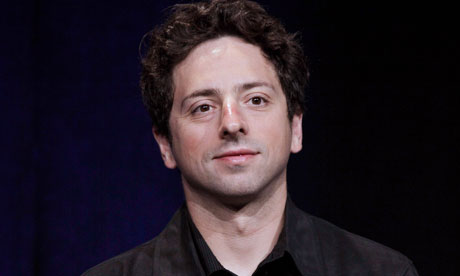
    Sergey Brin says he and Google co-founder Larry Page would not have been able to create their search giant if the internet was dominated by Facebook. Photograph: Justin Sullivan/Getty Images

    The principles of openness and universal access that underpinned the creation of the internet three decades ago are under greater threat than ever, according to Google co-founder Sergey Brin.

    In an interview with the Guardian, Brin warned there were “very powerful forces that have lined up against the open internet on all sides and around the world”. “I am more worried than I have been in the past,” he said. “It’s scary.”

    The threat to the freedom of the internet comes, he claims, from a combination of governments increasingly trying to control access and communication by their citizens, the entertainment industry’s attempts to crack down on piracy, and the rise of “restrictive” walled gardens such as Facebook and Apple, which tightly control what software can be released on their platforms.

    The 38-year-old billionaire, whose family fled antisemitism in the Soviet Union, was widely regarded as having been the driving force behind Google’s partial pullout from China in 2010 over concerns about censorship and cyber-attacks. He said five years ago he did not believe China or any country could effectively restrict the internet for long, but now says he has been proven wrong. “I thought there was no way to put the genie back in the bottle, but now it seems in certain areas the genie has been put back in the bottle,” he said.

    He said he was most concerned by the efforts of countries such as China, Saudi Arabia and Iran to censor and restrict use of the internet, but warned that the rise of Facebook and Apple, which have their own proprietary platforms and control access to their users, risked stifling innovation and balkanising the web.

    “There’s a lot to be lost,” he said. “For example, all the information in apps – that data is not crawlable by web crawlers. You can’t search it.”

    Brin’s criticism of Facebook is likely to be controversial, with the social network approaching an estimated $100bn (£64bn) flotation. Google’s upstart rival has seen explosive growth: it has signed up half of Americans with computer access and more than 800 million members worldwide.

    Brin said he and co-founder Larry Page would not have been able to create Google if the internet was dominated by Facebook. “You have to play by their rules, which are really restrictive,” he said. “The kind of environment that we developed Google in, the reason that we were able to develop a search engine, is the web was so open. Once you get too many rules, that will stifle innovation.”

    He criticised Facebook for not making it easy for users to switch their data to other services. “Facebook has been sucking down Gmail contacts for many years,” he said.

    Brin’s comments come on the first day of a week-long Guardian investigation of the intensifying battle for control of the internet being fought across the globe between governments, companies, military strategists, activists and hackers.

    From the attempts made by Hollywood to push through legislation allowing pirate websites to be shut down, to the British government’s plans to monitor social media and web use, the ethos of openness championed by the pioneers of the internet and worldwide web is being challenged on a number of fronts.

    In China, which now has more internet users than any other country, the government recently introduced new “real identity” rules in a bid to tame the boisterous microblogging scene. In Russia, there are powerful calls to rein in a blogosphere blamed for fomenting a wave of anti-Vladimir Putin protests. It has been reported that Iran is planning to introduce a sealed “national internet” from this summer.

    Ricken Patel, co-founder of Avaaz, the 14 million-strong online activist network which has been providing communication equipment and training to Syrian activists, echoed Brin’s warning: “We’ve seen a massive attack on the freedom of the web. Governments are realising the power of this medium to organise people and they are trying to clamp down across the world, not just in places like China and North Korea; we’re seeing bills in the United States, in Italy, all across the world.”

    Writing in the Guardian on Monday, outspoken Chinese artist and activist Ai Weiwei says the Chinese government’s attempts to control the internet will ultimately be doomed to failure. “In the long run,” he says, “they must understand it’s not possible for them to control the internet unless they shut it off – and they can’t live with the consequences of that.”

    Amid mounting concern over the militarisation of the internet and claims – denied by Beijing – that China has mounted numerous cyber-attacks on US military and corporate targets, he said it would be hugely difficult for any government to defend its online “territory”.

    “If you compare the internet to the physical world, there really aren’t any walls between countries,” he said. “If Canada wanted to send tanks into the US there is nothing stopping them and it’s the same on the internet. It’s hopeless to try to control the internet.”

    He reserved his harshest words for the entertainment industry, which he said was “shooting itself in the foot, or maybe worse than in the foot” by lobbying for legislation to block sites offering pirate material.

    He said the Sopa and Pipa bills championed by the film and music industries would have led to the US using the same technology and approach it criticised China and Iran for using. The entertainment industry failed to appreciate people would continue to download pirated content as long as it was easier to acquire and use than legitimately obtained material, he said.

    “I haven’t tried it for many years but when you go on a pirate website, you choose what you like; it downloads to the device of your choice and it will just work – and then when you have to jump through all these hoops [to buy legitimate content], the walls created are disincentives for people to buy,” he said.

    Brin acknowledged that some people were anxious about the amount of their data that was now in the reach of US authorities because it sits on Google’s servers. He said the company was periodically forced to hand over data and sometimes prevented by legal restrictions from even notifying users that it had done so.

    He said: “We push back a lot; we are able to turn down a lot of these requests. We do everything possible to protect the data. If we could wave a magic wand and not be subject to US law, that would be great. If we could be in some magical jurisdiction that everyone in the world trusted, that would be great … We’re doing it as well as can be done.”

April 15, 2012

05 “Sería una tragedia que la cultura acabe en puro entretenimiento”

ENTREVISTA

“Sería una tragedia que la cultura acabe en puro entretenimiento”

Premio Nobel de Literatura. Publica ahora el ensayo ‘La civilización del espectáculo’

14 ABR 2012 – 00:21 CET89

Mario Vargas Llosa en su casa de París en 2003. / DANIEL MORDZINSKI

A Mario Vargas Llosa (Arequipa, Perú, 1936) le asaltaba desde hacía algún tiempo la incómoda sensación de que le estaban tomando el pelo. Lo empezó a sentir al visitar ciertas exposiciones y bienales, asistir a algunos espectáculos, ver determinadas películas y programas de televisión e incluso le ocurría cuando se arrellanaba en el sillón para leer ciertos libros y periódicos. En esos momentos, como él mismo cuenta, le sobrevenía la sensación, poco definida al principio, de que se estaban burlando de él, de que estaba “indefenso ante una sutil conspiración” para hacerle sentir un inculto o un estúpido, para hacerle creer que un fraude era arte; un embuste, cultura.

De esa sensación surgió una convicción y de esta un ensayo, La civilización del espectáculo (Alfaguara). En sus páginas el premio Nobel de Literatura disecciona la conversión de la cultura en un caos donde “como no hay manera de saber qué cosa es cultura, todo lo es y ya nada lo es”. Esa disolución de jerarquías y referentes es consecuencia, para Vargas Llosa, del triunfo de la frivolidad, del reinado universal del entretenimiento. Pero los efectos de este clima de banalización extrema no se limitan a la cultura. Para el escritor, y quizá sea este su juicio más severo, el empuje de la civilización del espectáculo ha anestesiado a los intelectuales, desarmado al periodismo y, sobre todo, devaluado la política, un espacio donde gana terreno el cinismo y se extiende la tolerancia hacia la corrupción, algo que el autor de Conversación en La Catedral ilustra con una anécdota de su tierra natal:

“En las últimas elecciones peruanas, el escritor Jorge Eduardo Benavides se asombró de que un taxista de Lima le dijera que iba a votar por Keiko Fujimori, la hija del dictador que cumple una pena de 25 años prisión por robos y asesinatos.

“¿A usted no le importa que el presidente Fujimori fuera un ladrón?”, le preguntó al taxista.

“No” —repuso este— “porque Fujimori solo robó lo justo”.

Lo justo. La indiferencia moral. La civilización del espectáculo.

“La frivolidad es teneruna tabla de valores completamente confundida,

es el sacrificio de la visión del largo plazo

por el corto plazo, por

lo inmediato. Justamente

eso es el espectáculo”

El ensayo, un diamante para la polémica, lo explica Vargas Llosa con voz cálida y precisa, que inunda la línea telefónica desde el otro lado de Atlántico, viernes por la mañana en Lima.

P. Mantiene usted que la cultura se ha banalizado, que triunfa la frivolidad en su peor sentido, que el erotismo pierde en favor de la pornografía, que la posmodernidad es, en parte, un experimento fallido y pedante, que el periodismo amarillea, que la política se degrada, que en la civilización del espectáculo el cómico es el rey… ¿Hay escapatoria?

R. Sí, hay escapatoria. La historia no está escrita, no es fatídica, cambia. Justamente nos ha tocado vivir una época en que hemos visto las transformaciones históricas más extraordinarias e inesperadas. Si alguien me hubiera dicho cuando yo era joven que iba a ver la desaparición de la Unión Soviética, la transformación de China en un país capitalista; si alguien me hubiera dicho que América Latina iba a estar en pleno proceso de crecimiento, mientras Europa vivía su peor crisis financiera en un siglo, no me lo hubiera creído y, sin embargo, todas esas cosas han pasado. Desde luego que se puede esperar una renovación de la vida cultural, de las artes, de las humanidades, y que abandone ese sesgo cada vez más frívolo, superficial, que yo creo que es una de sus características principales hoy en día; no la única, porque hay excepciones a la regla, afortunadamente. Pero esa banalización tiene consecuencias no solamente en el campo de la cultura, sino en todos los otros. Por eso en el libro me refiero a la política, incluso a la vida sexual, a la relación humana. Todo eso se puede ver muy afectado si la cultura vive en la banalización, la frivolización permanente.

“No todos pueden ser cultos de la misma manera, no todos quieren ser cultos de la misma manera y no todos tendrían que ser cultos  

de la misma manera,

ni muchísimo menos”

P. Y eso le produce un cierto enfado, sensación de tomadura de pelo. ¿Desde cuándo?

R. Es un proceso, no llega de una vez, pero sí recuerdo, por ejemplo, el shock que supuso para mí hace algunos años visitar la Bienal de Venecia, que era una vitrina del prestigio y la modernidad, de la novedad, del experimento, y de pronto, después de un recorrido de un par de horas, llegar a la conclusión de que allí había mucho más fraude, embuste, que seriedad, que profundidad. Fue para mí una experiencia bastante importante, que me llevó a reflexionar sobre este tema. Al final del libro, en un texto que es bastante personal, cuento cómo enriqueció mi vida leer buenos libros, conocer la gran tradición pictórica, el mundo de la música, cómo eso dio un sentido, un orden, una organización al mundo que lo hizo para mí muchísimo más interesante, más rico, más estimulante. Yo creo que sería una tragedia que justamente en una época en que hay un progreso tecnológico, científico, material extraordinario, al mismo tiempo, la cultura vaya a convertirse en un puro entretenimiento, en algo superficial, dejando un vacío que nada puede llenar, porque nada puede reemplazar a la cultura en dar un sentido más profundo, trascendente, espiritual a la vida.

Los periódicos más serios tratan de resistir al sensacionalismo, pero si la supervivencia está en juego tienen que hacer concesiones

P. Hay un momento, cuando habla usted de la añoranza, en el que dice: “Lo peor es que probablemente este fenómeno [la banalización de la cultura] no tenga arreglo y lo que yo añoro sea polvo y cenizas sin reconstitución posible”.

R. Espero equivocarme.

P. Ese pesimismo resulta llamativo en alguien de su éxito.

R. …nostalgia de viejo. A ratos siento, sí, cierta angustia porque… Mire, yo viví en Inglaterra y me acuerdo el deslumbramiento que me produjo ver la televisión; la que había conocido antes era muy pobre, muy mediocre, y de pronto descubrí que sí había posibilidades de utilizar la televisión en un sentido creativo y no solo porque los mejores escritores y dramaturgos escribían para la televisión… Había un programa que veía con pasión, se llamaba Panorama, periodismo de investigación. Me acuerdo, por ejemplo, de una entrega de dos horas sobre los disidentes en la Unión Soviética filmado en Moscú clandestinamente. Y de pronto, al cabo de los años, vi que la televisión de Inglaterra había caído también en la frivolidad total. Los mejores países, los que uno supondría que están más defendidos contra eso, han ido también sucumbiendo a esa especie de mandato generacional hacia el facilismo, la superficialidad, la frivolidad. Hay excepciones, desde luego…

P. …su propia obra es una excepción. ¿No es un ejemplo de que la capacidad de autocrítica sobrevive? ¿Qué no todo es autocomplacencia y frivolidad?

“Estallidos como el 15 M son interesantes si no caen en el conformismo de la inconformidad”

R. Sí, pero es siempre preocupante que el mayor vigor, la mayor riqueza, esté ahora en el pasado más que en el presente; que no sea algo de actualidad, sino que hay que volver la vista atrás… Y hay otro aspecto. Junto a la frivolización, hay un oscurantismo embustero que identifica la profundidad con la oscuridad y que ha llevado, por ejemplo, a la crítica a unos extremos de especialización que la pone totalmente al margen del ciudadano común y corriente, del hombre medianamente culto al que antes la crítica servía para orientarse en la oferta tan enorme.

P. Pero lo que plantea es volver a los patrones culturales. ¿Es eso posible? ¿Existe legitimidad para hacerlo? ¿No hay un cierto aristocratismo en todo ello?

R. Aristocratismo es una palabra que provoca mucho rechazo, pero por otra parte el rechazo de la élite en bloque es una gran ingenuidad. No todos pueden ser cultos de la misma manera, no todos quieren ser cultos de la misma manera y no todos tendrían que ser cultos de la misma manera, ni muchísimo menos. Hay niveles de especialización que son perfectamente explicables, a condición de que la especialización no termine por dar la espalda al resto de la sociedad, porque entonces la cultura deja ya de impregnar al conjunto de la sociedad, desaparecen esos consensos, esos denominadores comunes que te permiten discriminar entre lo que es auténtico y lo que es postizo, entre lo que es bueno y lo que es malo, entre lo que es bello y lo que es feo. Parece mentira que se haya llegado a un mundo donde ya no se pueden hacer este tipo de discriminaciones. Porque eso sí, si desaparecen esas categorías es el reino del embuste, de la picardía… La publicidad reemplaza al talento, lo fabrica, lo inventa.

P. Usted extiende su crítica a la cocina o la moda que están pasando a formar parte de la alta cultura.

R. Justamente esa es una de las manifestaciones de esa banalización y de esa frivolidad. No tengo nada contra la moda, me parece magnífico que haya una preocupación por la moda, pero desde luego no creo que la moda pueda reemplazar a la filosofía, a la literatura, a la música culta como un referente cultural. Y eso es lo que está pasando. Hoy en día hablar de cocina y hablar de la moda, es mucho más importante que hablar de filosofía o hablar de música. Eso es una deformación peligrosa y una manifestación de frivolidad terrible. ¿Qué cosa es la frivolidad? La frivolidad es tener una tabla de valores completamente confundida, es el sacrificio de la visión del largo plazo por el corto plazo, por lo inmediato. Justamente eso es el espectáculo.

P. Pero no encierra esa perspectiva una excesiva idealización del pasado, como esa edad dorada platónica que tanto criticaba Popper, y que tiene como consecuencia fosilizar la sociedad, cerrarla al cambio…

R. No, yo no estoy por la fosilización. No soy un conservador en ese sentido, desde luego que no, y sé que en el pasado, al mismo tiempo que Cervantes y que Shakespeare, existía la esclavitud, el racismo más espantoso, el dogmatismo religioso, la Inquisición, las hogueras para el disidente… Yo sé muy bien que el pasado venía con todo eso, pero al mismo tiempo no se puede negar que en ese pasado había cosas muy admirables, que han marcado profundamente el presente, que enriquecieron la vida de las gentes, la sensibilidad, la imaginación. Y esa era una función que tenía la alta cultura, y hoy día no se puede ni siquiera hablar de alta cultura porque eso es incorrecto, políticamente incorrecto.

“Hablar de moda y cocina se ha vuelto más importante que hablar de filosofía o música”

P. Hay una defensa muy interesante del erotismo en el libro, como obra de arte frente al “sexo descarnado”.

R. El erotismo fue en el mundo de la experiencia la conversión de un instinto en algo creativo, en una verdadera obra de arte y eso fue posible gracias a la cultura. Yo no creo que el erotismo nazca simplemente de una experiencia pragmática del sexo, ni muchísimo menos. Creo que es la cultura, que son las artes, el refinamiento de la sensibilidad que produce la alta cultura, la que crea el erotismo. El erotismo es una manifestación de civilizaciones, se da en sociedades que han alcanzado un cierto nivel de civilización. Y al mismo tiempo significa el respeto de las formas, la importancia de las formas en la relación sexual. Y ahí yo cito mucho a Georges Bataille, él defendió siempre el erotismo justamente como una manifestación de civilización, y fue muy reticente a la permisividad total porque creía que la permisividad total iba a matar las formas y al final se iba a llegar, otra vez, a una especie de sexo primitivo, salvaje. Y algo de eso ha pasado en nuestro tiempo.

P. Es decir, le falta erotismo a nuestra cultura.

R. Por eso el sexo significa tan poco para las nuevas generaciones. Significa un entretenimiento que es casi una gimnasia. Es como segar una fuente riquísima no solo de placer sino de enriquecimiento de la sensibilidad.

P. ¿Qué pensaría el Vargas Llosa de 25 años del libro que ha escrito el Vargas Llosa de ahora?

R. No me lo puedo imaginar. A nosotros nos ha tocado vivir una diferencia generacional sin precedentes en la historia. Precisamente por la extraordinaria revolución tecnológica, audiovisual, el mundo es tan absolutamente diferente que es muy, muy difícil ponerse hoy en día en la piel de un joven. Hay muchas cosas en el pasado que hay que suprimir, que hay que reformar sin ninguna duda. Pero hay una que yo creo que no, que hay que conservarla renovándola, actualizándola, que es la cultura. Una civilización que ha producido Goya, Rembrandt, Mahler, Goethe no es despreciable, no puede ser despreciable. Eso fijó unos ciertos patrones que deben ser, si se quiere, criticados pero mantenidos, continuados. Y esa continuación es la que yo creo que se pierde si la cultura pasa a ser una actividad secundaria y relegada al puro campo del entretenimiento.

P. Habla del pesimismo, del catastrofismo, incluso como un peligro mayor que la corrupción y cita una juventud apática, recluida en la hostilidad sistemática, aburrida. Fenómenos como el del 15-M, el de Occupy Wall Street, ¿no le generan cierta esperanza?

R. Sí, cierta esperanza sí. Siempre y cuando no se orienten en el sentido equivocado. Porque hay un cierto conformismo en la inconformidad. En eso Foucault escribió cosas muy interesantes. Pero sí, creo que hay estallidos entre los jóvenes que son bastante interesantes. No soy pesimista, sino más bien optimista, las cosas pueden cambiar para mejor. Pero hay algunos aspectos en los que es muy importante una crítica muy radical de un fenómeno representa una decadencia.

P. Una decadencia en la que incluye la corrupción política. Para ilustrarla cita usted una anécdota vivida por el escritor Jorge Eduardo Benavides, en Lima, cuando un taxista le dijo que votaba a Fujimori porque “solo robó lo justo”.

R. A mí me pareció maravillosa la historia. Hay una mentalidad ahí detrás ¿no? Un político puede robar; es más, no puede no robar, pero lo importante es que robe no más de lo debido.

P. Y ese tipo de conductas se están extendiendo…

R. …es por el desplome de los valores, no solamente estéticos, sino otros que antes, por lo menos de la boca para fuera, todos respetábamos. El político ya no debe ser honrado, debe ser eficaz. El ser honrado parece una imposibilidad connatural al oficio. Bueno, si se llega a un pesimismo de esa naturaleza entonces estamos perdidos. Y creo que no es verdad y yo lo digo, eso no es verdad. Pero hay una mentalidad que identifica la política con la picardía, con la deshonestidad. Es peligrosísimo sobre todo para el futuro de la cultura democrática. Si vamos a pensar eso entonces la cultura democrática no tiene sentido y a la corta o la larga va a desplomarse también.

P. Pero hay países donde hay mayor protección frente a la corrupción.

R. Por supuesto. La gran diferencia está en el mundo de la democracia y en el mundo del autoritarismo. En democracia hay corrupción, desde luego, lo estamos viendo todos los días. Pero precisamente lo vemos, sale a flote, existe una justicia más o menos independiente que puede todavía sancionar a los culpables. España es un ejemplo. Se puede decir que hay mucha corrupción pero estamos viendo casos de políticos importantísimos que son sentados en el banquillo de los acusados y que son condenados por pícaros, por ladrones, por traficantes. Bueno, esa es la gran diferencia. Eso no se ve en Cuba o China, donde de repente te enteras de que le cortan la cabeza a un señor porque dicen que delinquió y tenía cargos políticos. Hay diferencias. Y dentro de las democracias también. Las más avanzadas son menos corruptas que las más primitivas, las que son mucho más ineficientes. Recuerdo que en los años en que viví en Inglaterra, el escándalo más grande de corrupción fue el de un ministro de Margaret Thatcher, que no solamente perdió su ministerio sino que fue preso y perdió prácticamente todo su patrimonio por haber pasado un fin de semana en el Hotel Ritz de París, pagado por un jeque árabe. O sea, una corrupción de unos cuantos cientos o unos cuantos miles de libras esterlinas. Como comprenderá, eso en la época de Fujimori en el Perú era lo que robaba normalmente un pequeño alcalde. Ya no le digo los millones de millones de millones que consiguieron Fujimori y Montesinos. La sanción social fue muy escasa, puesto que en las últimas elecciones estuvo a punto de subir otra vez al poder con el voto popular. Esas diferencias sí son muy importantes. Y creo que es fundamental ser muy exigente y riguroso en ese campo, y no pensar que por ser político se tiene derecho a robar hasta cierto límite.

P. En las dictaduras hay evidentemente más corrupción. Pero también se da un fenómeno inverso. Ahí es donde la lucha de los intelectuales cobra mayor sentido. Es el caso de China con un premio Nobel de la Paz encarcelado.

R. Absolutamente. Cuando la libertad desaparece es cuando la libertad de pronto resulta importante. Y cuando la lucha por la libertad se convierte en una prioridad, el intelectual, el escritor, el poeta, el novelista, el pintor, de pronto empiezan a tener una importancia central en esa lucha. Ese es un fenómeno que lo estamos viendo en China, es interesantísimo, el caso de Ai Weiwei. Es una figura que representa hoy en día el espíritu de resistencia, la voluntad de apertura, de modernización, de democratización.

P. Al tratar de la degradación de los valores, incluye también el sensacionalismo en la prensa. ¿Cree usted en la autorregulación como una vía para atajar estas prácticas?

R. Creo que es la única. Que la propia prensa asuma una responsabilidad. Eso no se resuelve con sistemas de censura, ni muchísimo menos. Pero además yo creo que el sensacionalismo es la expresión de una cultura. La prensa forma parte de la vida cultural de un país. Y si la cultura empuja a la prensa a la chismografía, y hace de la chismografía un elemento central, al final el mercado se lo va a imponer a los periódicos, por más responsables y serios que quieran ser. Y eso lo estamos viendo en todas partes. Los periódicos más serios tratan de resistir, pero en un momento dado, si la supervivencia está en juego, tienen que hacer concesiones. El origen no está en los periódicos, el origen está en la cultura reinante, que impone la frivolidad y el amarillismo.

Hay una mentalidad

que identifica la política con la deshonestidad,

eso es peligrosísimo

para el futuro

de la cultura democrática

P. Usted ha sufrido el sensacionalismo.

R. Lo he padecido. Toda persona que es conocida hoy en día es irremediablemente víctima de la chismografía. Pasas a ser un objeto que ya no puede controlar su propia imagen. La imagen se puede distorsionar hasta unos extremos indescriptibles. Mucho más si haces política en un mundo subdesarrollado. Allí ya todo puede ocurrir.

P. Y hay un efecto multiplicador con las nuevas tecnologías.

R. Frente a las cuales te puedes defender muy mal. A mí me pasó una experiencia hace un tiempo en Argentina. Una señora me felicitó por un texto que me dijo le había conmovido mucho de homenaje a la mujer. Y yo le dije que muchas gracias, pero que no había escrito ningún homenaje a la mujer. Pensé que era una cosa que se había inventado ella o que se había confundido. Un tiempo después me mandan mi elogio a la mujer, que había aparecido en Internet. Un texto de una cursilería que da vergüenza ajena, firmado por mí y lanzado al espacio con motivo de no sé qué. ¿Cómo te defiendes contra eso? Es absolutamente terrible. De pronto pierdes tu identidad, porque hoy en día hay esos mecanismos que permiten falsificaciones de esa índole. A mí me parece bastante aterrador. Tampoco puedes dedicar tu vida a rectificar. Al final dejas de escribir, dejas de leer, para tratar de rectificar todas las falsedades, invenciones que te atribuyen. Eso es uno de los aspectos justamente de la irresponsabilidad que ha traído la gran revolución audiovisual.

P. Pero también hay que reconocer que el universo de Internet y las redes sociales permiten la exposición universal de un artista o de un pensador al instante.

R. Y burlar todos los sistemas de censura; eso es un progreso. Pero al mismo tiempo también es otra forma de confusión que tiene efectos muy negativos en la cultura, en la información. El exceso de información en última instancia también significa la desaparición de la discriminación, de las jerarquías, de las prioridades. Todo alcanza un mismo nivel de importancia por el simple hecho de estar en la pantalla.

P. Aunque no ataca a las religiones, sino al contrario, se percibe en el libro un canto al ateísmo ilustrado. Hay un momento incluso que identifica cultura profunda con aquella fuerza capaz de reemplazar el vacío dejado por la religión.

R. La idea liberal, tradicional, de que con el avance del conocimiento, la religión se iba a ir desvaneciendo fue una ingenuidad. El grueso de la gente, países cultos o países incultos, necesita una trascendencia, algo que le asegure que no perecerá definitivamente, y que habrá otra vida de la índole que sea, y eso es lo que sostiene la religión. Solo una minoría de personas, y eso ha sido igual en el pasado y en el presente, llega a llenar ese vacío con la cultura, que les da suficiente seguridad, suficiente resistencia para aceptar la idea de la extinción. Pero es una ingenuidad combatir a la religión. Tiene una función que cumplir, y es dar ese mínimo de seguridad que permite vivir a la gente con la esperanza de otra vida, de una defensa contra la extinción que aterra a todas las generaciones, no importa que nivel de cultura tenga esa sociedad. Eso lo debemos aceptar los creyentes o no creyentes, siempre y cuando la religión no pase a identificarse con el Estado, porque entonces desaparece la libertad. La religión por definición es dogmática, establece verdades absolutas, y no quiere coexistir con verdades contradictorias. Pero mientras la religión ocupe el espacio que le es propio, creo que es indispensable para que una sociedad sea verdaderamente democrática, libre, en la que se pueda coexistir en la diversidad.

***

La diversidad, la libertad, la tolerancia. El escritor vive y revive en esas palabras. A lo largo de la entrevista, la amargura que, a veces, asoma en su discurso ante lo que considera la devastación de la cultura, siempre se atempera con ellas. De algún modo, son su anclaje ateo y su religión frente al espectáculo.

—“Hemos escrito otro libro, ¿eh?”, bromea antes de despedirse

April 11, 2012

05 Kanadier beuten griechische Goldminen aus

Filed under: archivo personal,economía,future,política,tecnología — fores @ 5:36 am

http://www.focus.de/wissen/wissenschaft/mensch/tid-25459/goldminen-in-griechenland-knueppelbewehrter-kampf-unter-nachbarn–_aid_735059.html
Blutiger Konflikt auf Chalkidiki

Kanadier beuten griechische Goldminen aus

Dienstag, 10.04.2012, 12:08 · von FOCUS-Redakteur

Reuters Goldabbau vergiftet die Umwelt
Ein kanadisches Minenunternehmen baut in Griechenland Gold ab. Das Geld fließt aus dem Land, zurück bleibt Zerstörung. Die Anwohner bekriegen sich: Manche wollen die Natur schützen, andere arbeiten für den Minenkonzern.
Ende März gingen in Griechenland Bilder gewalttätiger Demonstrationen durch die Medien. Diesmal aber nicht vom Syntagma-Platz in Athen, sondern von der eher beschaulichen Halbinsel Chalkidiki. Dort protestierten aufgebrachte Bürger gegen den Bau von zwei Goldminen durch ausländische Konzerne. Das griechische Ministerium für Umwelt und Energie hatte zuvor grünes Licht für Vorarbeiten den Projekten Skouries und Olympias gegeben, die am nordöstlichen Ende der dreifingrigen Halbinsel liegen. Die Einwohner der Region fürchten nun, dass die noch naturnahen Wälder und die Wasserreserven dort Schaden nehmen oder gar ganz verloren sein könnten.

Betreiber der Minen sind der kanadische Bergbaukonzern Eldorado und seine griechische Firmentochter Hellas Gold. Wie die in Brüssel ansässige Umweltorganisation „Ejolt“ berichtet, heuerten die Firmen einige 100 Arbeitslose aus der Region an, denen sie angeblich 1600 Euro pro Kopf zahlen. Für die arme Landbevölkerung ist das sehr viel Geld. „Ihr erster Job: Die Demonstranten vertreiben, die den Wald und die Wasserreserven schützen wollten“, berichtet Ejolt. Tatsächlich prallten am Eingang zum Minengelände Gegner des Projekts mit knüppelbewehrten Firmenmitarbeitern zusammen, die Unterstützung von einer Spezialeinheit der Polizei erhielten. Dabei wurden 15 der Demonstranten verletzt, einer von ihnen schwebt laut Ejolt in Lebensgefahr.

Knechte ausländischer Konzerne

Handgreifliche Auseinandersetzungen gab es auch im nahen Ort Ierissos. Dort hatten Bürgermeister Christos Pachtas und sein Stellvertreter Vassilis Moschopoulos in lokalen und nationalen Medien die Naturschützer nach bekanntem Muster als „ausländische anarchistische Elemente“ und „Ökologisten“ beschimpft. Die aufgebrachten Dorfbewohner setzten die beiden daraufhin im Rathaus fest und warfen ihnen vor, als „Knechte ausländischer Konzerne“ den Ausverkauf der Schätze des Landes zu betreiben. Ihre Heimat werde dabei durch die Rückstände der Goldproduktion zu einer Giftmülldeponie.

Wiederum rückten Polizei-Sondereinheiten aus Thessaloniki an und versuchten im Verein mit den Minenarbeitern mittels Reizgas, Gummigeschossen und Blendgranaten die Menge der bis zu 2500 Demonstranten – darunter alte Leute und Kinder – zu zerstreuen. Als dies nicht gelang, schalteten die Behörden in Ierissos den Strom ab.

Gold, Silber, Erdöl: Griechenland ist reich an Bodenschätzen

In der Region spaltet der Konflikt um die Minen nicht nur die Dorfbevölkerung, sondern auch ganze Familien. So kommt es vor, dass der Sohn für Hellas Gold arbeitet, die Mutter aber für eine intakte Natur streitet. Die Naturschützer von Ejolt und auch das kritische britische Wirtschaftsforschungsinstitut Runnymede konstatieren dahinter aber tiefer gehende Ursachen, die unmittelbar mit der Wirtschafts- und Finanzkrise zu tun haben, die Griechenland seit Monaten im Griff hält.

„Das Land ist übersät von Gold, Silber und anderen gefragten Mineralien, die die Welt regieren, einschließlich Erdöl“, urteilt der Runnymede-Experte Nick Meynen. „Es ist fast spaßig, dass dies niemand erwähnt, wenn in den Medien über die Schulden des Landes diskutiert wird, von denen sowieso niemand erwartet, dass sie zurückgezahlt werden.“ Bei den in Griechenland praktizierten privat-öffentlichen Partnerschaften handle es sich „um die gleiche betrügerische Masche, die öffentliches Vermögen von seinen rechtmäßigen Besitzern in die Taschen der Eliten lenkt.“

Wald und Wasser privatisieren

Tatsächlich drängen die EU sowie der Internationale Währungsfonds (IWF) die griechische Regierung, öffentliche Güter wie die Wälder und das Wasser zu privatisieren. Oft gehen sie zu Schleuderpreisen an große Konzerne. Bereits im Februar 2001 hatte sich ein griechischer Abgeordneter des Europaparlaments nach der Beteiligung der Öffentlichkeit an der Projektierung der Goldminen auf der Chalkidiki-Halbinsel und den durch den Abbau-Betrieb drohenden Umweltschäden erkundigt. „Doch die EU antwortete nur mit der Aufforderung, den Verkauf der öffentlichen Güter zu beschleunigen“, klagt Ejolt. „In Griechenland wird die Krise nicht genutzt, um eine auf Gerechtigkeit und Nachhaltigkeit beruhende Gesellschaft zu formen.“ Das mit dem Abbau der Bodenschätze verdiente Geld fließe aus dem Land, mit ausländischen Konzernen als Profiteure. Der Dreck aber bleibe im Land und die Griechen blieben auf den langfristigen Kosten der Umweltzerstörung sitzen.

Die dürften erheblich werden. Dem Branchendienst „Goldinvest“ zufolge soll die Goldförderung im Projekt Olympias noch im zweiten Quartal 2012 beginnen. Im laufenden Jahr sollen dort 350 000 Tonnen Gestein zermahlen werden. Es enthält 49 000 Tonnen Pyritkonzentrat, in dem sich wiederum 20 Gramm Gold je Tonne befinden. Das heißt, aus der gewaltigen Erzmenge lassen sich nur 980 Kilogramm des Edelmetalls gewinnen.

Skouries und Olympias sind erst der Anfang

Eldorado und Hellas Gold begannen mit Bohrungen für eine Reihe weiterer Minenprojekte, darunter Perama Hill im griechischen Landesteil Thrakien und Piavitsa nahe Olympiadas. „Insbesondere in Perama wird das Leben der Einwohner zur Hölle werden“, fürchtet die Bürgerinitiative „Hellenic Mining Watch“. „Das könnte sie veranlassen, ihre Dörfer zu verlassen, ohne Entschädigung durch den Konzern. Denn dort ist die Mine nur 500 Meter vom Ort entfernt. Die Sprengungen lassen jeden Tag die Häuser erzittern, und Staub sowie giftige Dämpfe aus den Becken mit Gesteinsschlamm machen den Menschen zu schaffen.“ Landwirtschaft und Viehzucht würden schwer beeinträchtigt.

Hinzu kommt die Gefahr, dass toxische Abwässer, die Schwermetalle und Zyanid enthalten, die Region verseuchen und in die Gewässer gelangen. Das hoch giftige Zyanid nutzen die Bergbaufirmen zur so genannten Haldenlaugung: Das goldhaltige Erz wird aus dem Berg gesprengt, zermahlen und zu einer Halde aufgeschüttet, die am Boden mit einer Plastikplane abgedichtet ist. Eine Sprinkleranlage berieselt die Halde von oben mit einer Zyanidlösung, die das Gold aus dem Gestein löst. In einer weiteren chemischen Prozessstufe wird das Gold wieder vom Zyanid getrennt, das nun in großen Absetzbecken zurück bleibt.

Die Abbaumethode ist billig und gefährlich

Diese Methode ist zwar kostengünstig, aber gefährlich, wie unter anderem die Umweltkatastrophe zeigt, die sich vor zwölf Jahren nahe der rumänischen Stadt Baia Mare ereignete. Dort war der Damm eines mit Zyanidlauge und schwermetallhaltigem Schlamm gefüllten Abwassersees der australisch-rumänischen Goldfabrik Aurul gebrochen. Die Giftflut überschwemmte die Felder der Region, ergoss sich in den Fluß Sasar und von dort weiter in die Theiss und die Donau. Hunderttausend Tonnen sollen es gewesen sein. Zahlreiche Ökosysteme wurden zerstört, 1400 Tonnen an toten Fischen wurden gezählt, viele Fischer wurden arbeitslos, und in umliegenden Städten gab es massive Probleme mit der Trinkwasserversorgung. Noch heute sind die Felder der Region verseucht.

All dies sei nur möglich, so die griechischen Minenbeobachter, weil die Konzerne wie die Kolonialherren auftreten können und immun bei Gesetzesübertretungen seien, aus Gründen des „nationalen Interesses“. Weil in den Bergbauregionen andere wirtschaftliche Aktivitäten nicht möglich seien, fehle es an alternativen Entwicklungen wie archäologischem oder ökologischem Tourismus, auch die Infrastruktur werde vernachlässigt.

Ausbeutung öffentlicher Güter

„Man könnte meinen, diese Geschichte spielt in Lateinamerika“, kommentiert die griechische Bürgerrechtsorganisation „Kinisi136“, die sich dem Kampf gegen die Verschleuderung öffentlicher Güter verschrieben hat. Zu den Projekten, gegen die sie angeht, gehört auch die geplante Privatisierung der Wasserversorgung von Thessaloniki. „Was ist der Unterschied zu den Vorgängen in Bolivien, Argentinien und Mexiko? Wir sagen: keiner. Es ist der gleiche Kampf, den wir mit den Menschen teilen, die ihre natürlichen Güter gegen die Ausbeutung durch Privatfirmen verteidigen“.

Hier wie dort, argumentiert Kinisi136, geraten die Regierungen hoch verschuldeter Länder unter die Fuchtel des IWF, der strengste Sparsamkeit und neoliberale Maßnahmen verordnet. Die Folge sind Rezession, Arbeitslosigkeit und wachsende Armut in der betroffenen Bevölkerung. Zugleich werden als „Erlösung“ Investments internationaler Konzerne in Aussicht gestellt, die Wachstum und Arbeitsplätze bringen sollen.

Geld rausziehen, Land verwüsten

Einmal im Land, würden die Firmen dann das Blaue vom Himmel versprechen und lügen sowie ihre Arbeiter und teilweise auch Söldner auf Betroffene hetzen, wenn die sich gegen Enteignungen und Privatisierungen wehren. So sei in Mexiko Bernardo Vásquez Sánchez, Sprecher der „Koalition der Vereinigten Dörfer des Ocotlán-Tals“ von Unbekannten erschossen worden. Die Dorfbewohner hatten gegen das Umleiten der öffentlichen Wasserversorgung in die Silbermine Cuzcatlán der mexikanischen Niederlassung des kanadischen Bergbauunternehmens Fortuna Silver demonstriert. „Was sie ,Entwicklung´ nennen, ist nichts anderes als die Umwandlung von Wäldern, Stränden, Straßen und Wasserreserven in vermarktbare Güter, die dann nicht mehr öffentlich zugängig sind“, resümiert Kinisi136. Im Gegenzug entstehen oft nicht einmal eine Handvoll Arbeitsplätze. Für die Einrichtung der Mine von Olympias und den Bau der Infrastruktur beispielsweise werden 150 Arbeiter benötigt. Im folgenden Betrieb sinkt die Zahl der Beschäftigten auf wenige Dutzend.

Nach Ende der Bergbauaktivitäten lassen die Konzerne dann verwüstete und ausgeräumte Landschaften zurück. Beliebt ist auch der Trick, lokale Tochtergesellschaften, die für die Beseitigung der Folgeschäden verantwortlich wären, in den Konkurs zu schicken. So geschah es auch in Baia Mare. Um Entschädigungszahlungen zu vermeiden, meldeten die Besitzer für ihre Betreiberfirma Aurul Konkurs an – nur, um kurz darauf unter neuem Namen weiter zu machen. Die Trickserei hatte Erfolg: 2008 verlor der ungarische Staat einen Prozess gegen Aurul mit der Begründung, es gebe keinen juristisch Verantwortlichen mehr. Auch die Geschädigten vor Ort gingen leer aus.

Kostengünstige Goldförderung ohne Rücksicht auf Verluste

Eine ähnliche Entwicklung, argwöhnen die Naturschützer, könne es auch in Griechenland geben. Sicher ist, dass der Bergbaukonzern Eldorado an allen Ecken und Enden spart. Laut Goldinvest verkündete die Firma, die auch in der Türkei, China, Brasilien, Rumänien Minen betreibt, als ihr Ziel, die Goldförderung bis 2015 auf 1,5 Millionen Unzen Gold pro Jahr zu erhöhen. Daher verstärke man auch in Griechenland die Aktivitäten. Zugleich preist sich Eldorado im Internet als „einen der kostengünstigsten Goldproduzenten“ an. Für die Aktivisten dürfte der Kampf um eine saubere Umwelt deshalb schwer werden. Sie wollen ihn aber aufnehmen. Gerade haben sie ein „Koordinationskomitee zur Bekämpfung der Minenaktivitäten“ gegründet. Die Spezialpolizei aus Thessaloniki wird wohl noch öfter ausrücken müssen.

Drucken
© FOCUS Online 1996-2012
Foto: Reuters
Alle Inhalte, insbesondere die Texte und Bilder von Agenturen, sind urheberrechtlich geschützt und dürfen nur im Rahmen der gewöhnlichen Nutzung des Angebots vervielfältigt, verbreitet oder sonst genutzt werden.
« Previous Page — Next Page »

WPMU Theme pack by WPMU-DEV.